A lab kit has a harder life than most electronics. It is assembled, pulled apart and wired wrongly by dozens of students every term. Choosing well saves teachers time and gives students experiments that actually work.
Matched to what is being taught
Start from the syllabus, not the catalogue. A kit for basic electronics might cover Ohm’s law, diodes, transistors as switches and simple logic gates. A college or polytechnic lab may need op-amps, timers, sensors, microcontrollers and simple motor control. Ask for a list of experiments the kit supports and check it against your lab manual.
Built to be handled
- Clear labels printed on the board for every component and test point.
- Protected inputs: fuses, current limiting and reverse-polarity protection so a wrong connection does not destroy the board.
- Proper connectors that hold patch leads firmly and do not loosen after a few weeks.
- Low, safe voltages for student work, with any mains parts fully enclosed.
Teaching, not just working
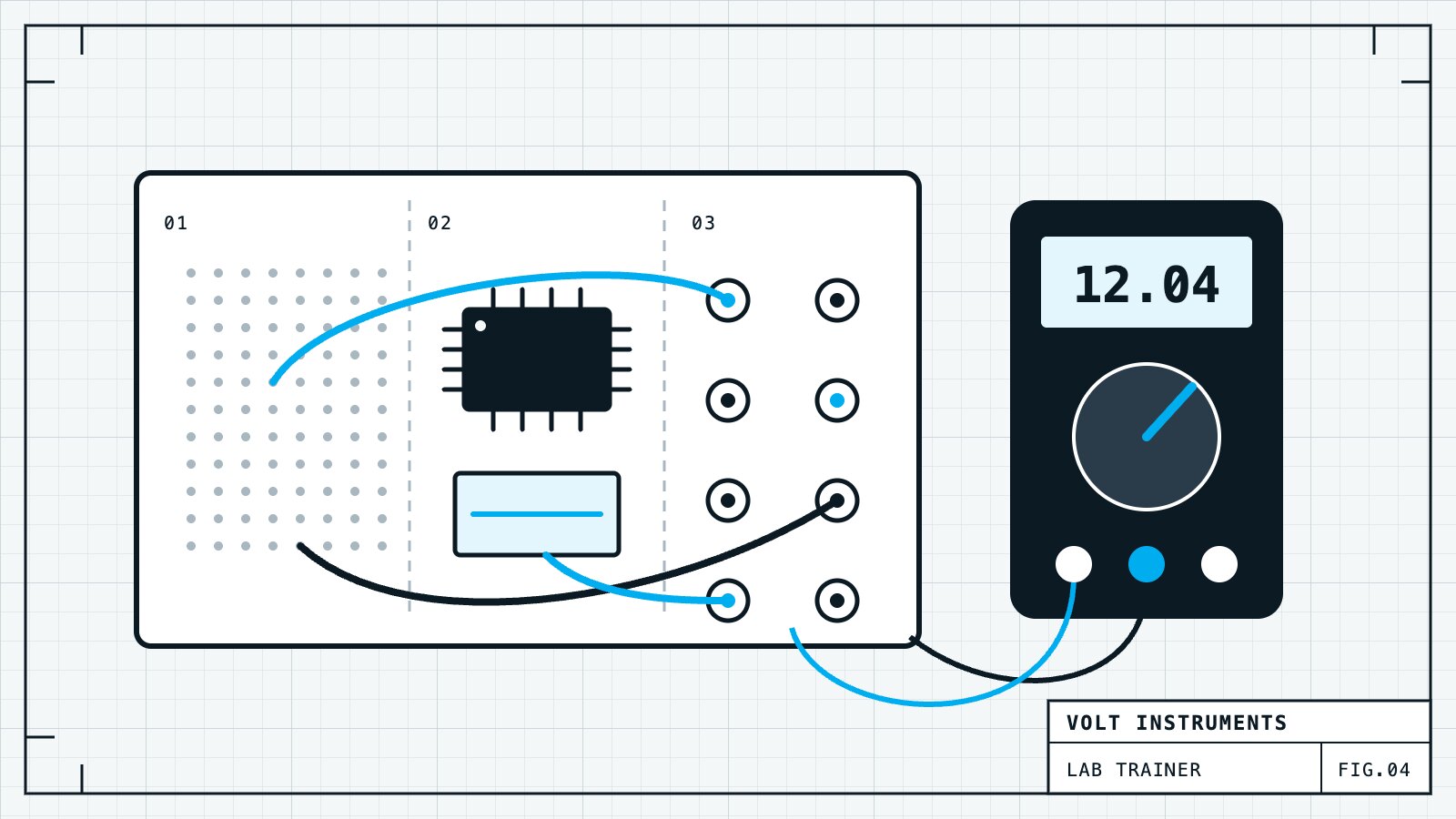
The best kits let students measure what is happening: test points for a multimeter or oscilloscope, sections that can be connected step by step, and space to try their own changes. A board where everything is already wired shows that a circuit works, but not why.
Documentation
Each kit should come with a manual: the circuit diagram, the procedure for each experiment and the readings students should expect. It saves the teacher from writing it and gives students something to check their results against.
Spares and support
Components do fail. Kits that use common parts are cheaper and faster to repair, and a supplier nearby can service them instead of the kit sitting unused in a cupboard.
We design and build kits for schools, colleges and training institutes on our educational kits page, and ready-made student projects such as the fan project and LED board are listed under products.
Equipping a lab? Send us your brief or call the workshop on +91 80537 03030.