Getting the first prototype working is the moment most projects celebrate. But going from one hand-built unit to ten, fifty or several hundred identical units brings a new set of questions. Planning them early saves cost and delay.
Freeze the design
Every change after production starts is expensive. Before ordering a batch, use the prototype in real conditions for long enough to find problems, collect feedback from the people who will use it, and agree that the feature list is final for this version.
Review the parts list
- Are all the parts available in the quantity you need, from more than one source if possible?
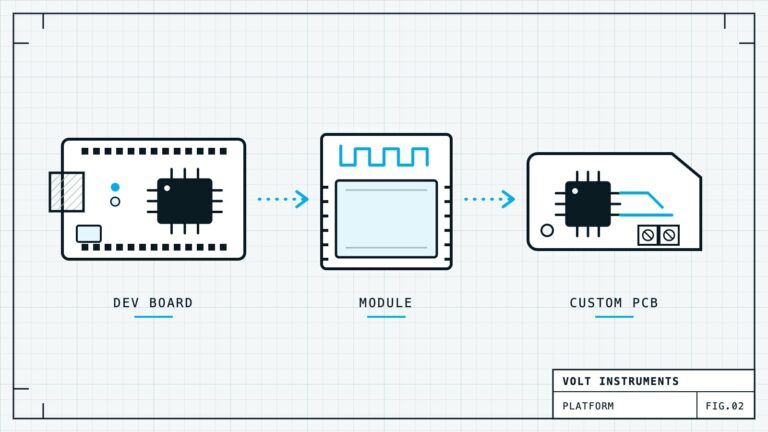
- Can a part chosen for convenience during prototyping be swapped for a cheaper or more common one?
- Are any parts close to end of life?
Design for assembly and testing
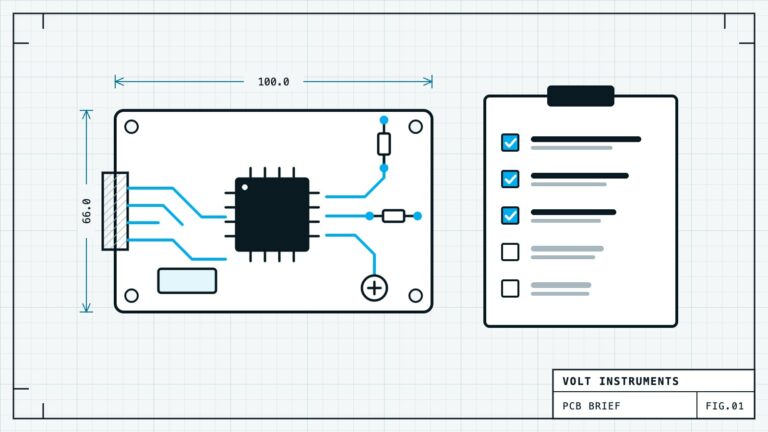
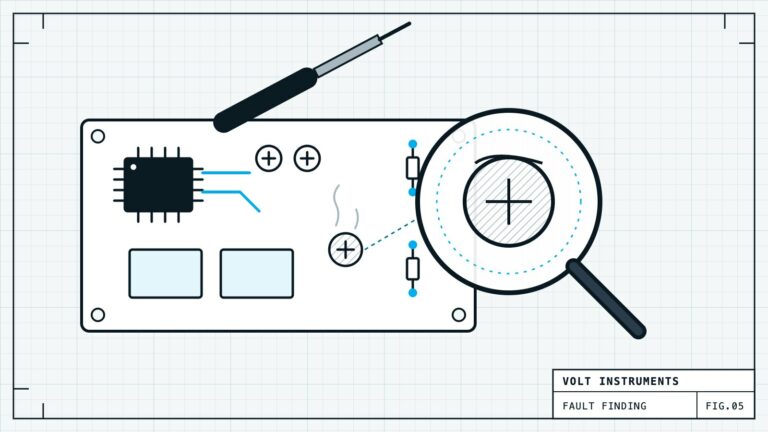
A prototype can be assembled by hand with patience. A batch needs a board that is quick to assemble consistently, with clear markings, sensible component placement and test points. We also plan how each unit will be tested before it leaves the workshop, so every unit is checked the same way.
Enclosure, labels and documentation
Production units need a proper enclosure, labels with the model and serial number, and a short manual or wiring diagram for whoever installs them. These take time to arrange, so start them alongside the electronics.
Start with a pilot batch
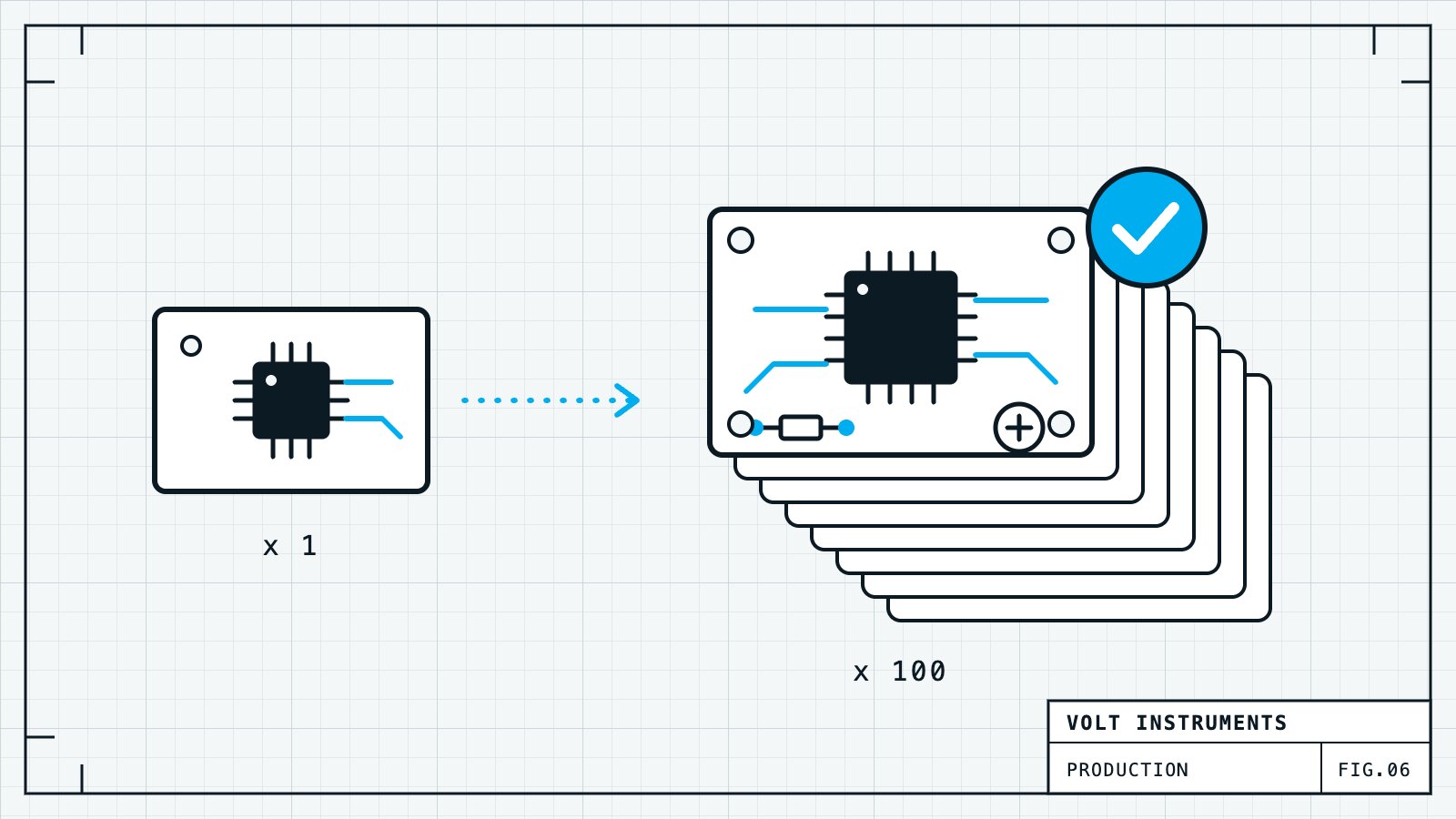
For larger orders, a small pilot batch is a good investment. It proves the assembly and testing process and gives you units for field trials before the full run.
We handle projects from R&D and prototyping through PCB production in our Ambala workshop.
Ready to move past the prototype? Send us your brief or call the workshop on +91 80537 03030.